
Prune Like a Pro: Why Tree Trimming Isn’t Just a Quick Fix
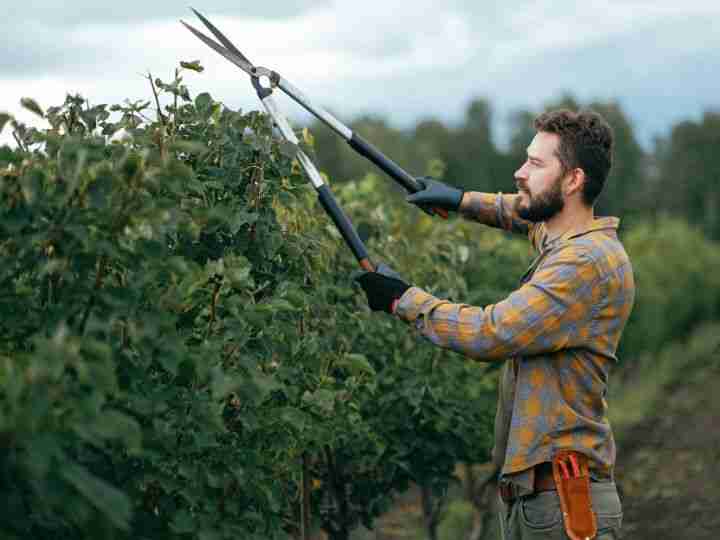
There’s this common idea that trimming a tree is about keeping it looking nice—cut back some branches, make it look neat, and you’re done. But, truth be told, tree trimming does a whole lot more than that. It’s not just a ‘tidy up’ job; it actually helps trees stay healthy, strong, and safe.
In a place like East Texas, where trees are part of the scenery almost everywhere you turn, trimming isn’t just optional—it’s something that helps both the trees and the people living around them.
Let’s Talk About What Trimming Actually Does
So, what happens when you trim a tree? More than you might think. It’s about much more than just lopping off a few limbs.
Here’s a simple table for a quick look:
| Why Trim? | What It Helps With |
| Tree Health | Cuts away sick or dead bits to stop rot |
| Safety | Keeps weak branches from crashing down |
| Growth Direction | Helps trees grow in a way that won’t hurt them |
| Storm Readiness | Less chance of branches breaking in high winds |
| General Appearance | Yeah, it looks better, too |
The truth is, a tree that’s never trimmed might look okay for a while—but over time, it can start to struggle. Worse, it might even become a hazard.
When’s the Right Time?
Timing is a big deal. If you trim a tree at the wrong time, you might stress it out or even open it up to bugs and disease.
Here’s a rough guide to when folks usually trim trees in this part of the country:
- Winter (best time) – Trees are dormant, so trimming doesn’t bother them much.
- Spring/Summer – Good for light trimming, but don’t go overboard.
- Fall – Not great; damp weather can bring in fungi or disease.
Folks who offer tree pruning services around here, like Artmire’s Urban Forestry & Tree Services, usually know exactly when to do what—especially with local trees like pine, oak, and pecan.
Trimming vs. Pruning – Small Difference, Big Impact
A lot of people use “trimming” and “pruning” like they mean the same thing. They kinda do, but not really.
- Trimming is usually about shaping—keeping things neat.
- Pruning is more about health—removing what’s not helping the tree.
It might seem like splitting hairs, but tree trimming in Tyler TX often leans more towards safety and growth, especially after the storms East Texas gets.
What Happens If You Skip It?
You might be thinking, “Well, nature’s handled trees for thousands of years without our help.” Fair point. But now that we’ve got houses, roads, and people everywhere, letting a tree go wild isn’t always the best idea.
Here’s what can go wrong:
- Branches over roofs or power lines – These can fall, cause damage, or even lead to power outages.
- Disease spreading – Sick branches can make the whole tree suffer.
- Unbalanced growth – Can lead to a lopsided, weak tree.
- Shorter tree lifespan – Yeah, trees can get old too, but trimming helps them live longer.
So really, trimming is a bit like going to the doctor. Maybe you feel fine, but it’s better to catch small issues before they become big ones.
Should You Trim It Yourself?
This one comes up a lot. People think, “How hard can it be?” Well, it depends.
For small trees or branches you can reach from the ground—sure, maybe give it a shot. But for taller trees or heavy limbs? Not worth the risk.
Here’s what arborist services offer that most folks don’t have:
- Knowledge of tree types – Not every tree needs the same care.
- Right tools – It’s not just about a saw; safety gear matters too.
- Spotting trouble early – Like signs of rot, pests, or weak spots.
- Knowing the rules – Some trees can’t be cut without permission.
Artmire’s Urban Forestry & Tree Services knows the lay of the land here in Tyler. They get the local climate, the trees, and the risks. That’s the kind of stuff you can’t Google in five minutes.
Common Signs It’s Time for a Trim
Here are a few hints your tree might need some attention:
- Branches touching your house or power lines.
- Lots of deadwood falling to the ground.
- Tree looks unbalanced or leans oddly.
- You notice mushrooms or weird growth on the trunk.
- Big growth spurts after heavy rain.
If any of these sound familiar, probably a good idea to get someone to take a look.
Wrapping It Up
Tree trimming isn’t about being picky or fussy. It’s about giving trees the kind of care they need to grow well, stay strong, and not cause problems down the line.
Especially in places like East Texas, where storms hit hard and trees grow fast, trimming is part of being a good neighbor—to both your trees and your community.
So yeah, next time you look up and see a branch hanging low or getting a little too close for comfort, think about more than just looks. Trimming is about health, safety, and respecting the trees that make a place feel like home.
