
Deadwood Dangers: Why Ignoring Diseased Trees Can Cost You Big
You know that old tree in the yard that’s been looking strange lately? Maybe it’s dropping brittle branches or leaning more than it used to. It’s easy to ignore and think, “It’ll be fine.” But the truth is, letting diseased or dying trees go unchecked can cost you big — not just in property damage, but in safety and long-term expenses.
In East Texas, where strong storms and humidity are common, unhealthy trees are more than just an eyesore. They’re a real risk. Here’s what you need to know about the dangers of deadwood and what you can do before it becomes a costly mistake.
What Is Deadwood?
Deadwood refers to branches or parts of a tree that have died and no longer get nutrients from the rest of the tree. These areas dry out, weaken, and eventually break off. Sometimes they fall on their own, sometimes they stay hanging for months — but when they do fall, they often don’t fall lightly.
That kind of sudden break can damage roofs, vehicles, fences, or even hurt someone nearby. And the worst part? Deadwood is often a sign of a bigger issue — like disease or decay spreading from the inside out.
The Dangers of Diseased Trees
A diseased tree might not look that different from a healthy one, especially at first. But over time, infection, fungus, or root rot can hollow out the tree’s core or weaken its structure. That’s when the danger becomes real.
Here’s what could happen if you ignore the signs:
- Falling Limbs or Trees: Dead branches can drop at any moment. Worse, a whole tree can fall, especially during storms or high winds.
- Property Damage: Collapsed trees can destroy anything in their path — your home, fence, car, or even utility lines.
- Injury or Liability: If someone gets hurt by a tree on your property, you might be responsible for medical bills or legal action.
- Infestation: Decaying wood attracts pests like termites, beetles, and ants. These bugs often spread to other trees or into your home.
- Disease Spread: Some infections travel from one tree to another. One sick tree can affect the whole landscape if not treated.
What Causes Tree Disease?
Trees in Tyler, TX and across East Texas can suffer from a variety of threats. Fungal infections, pests, poor soil conditions, or even human damage can leave a tree vulnerable. Common diseases in this region include oak wilt, root rot, and blight.
Signs of disease might include:
- Mushrooms or fungus growing on the bark or base
- Discolored or early-dropping leaves
- Soft or hollow-sounding wood
- Cracks or splitting in the trunk
- Bark peeling off
If you notice any of these, don’t wait for things to get worse.
Why You Need Professional Help
Tree disease isn’t something most people can diagnose on their own. That’s why it’s important to bring in trained arborists who understand what to look for — and what steps to take to save the tree or safely remove it if needed.
Artmire’s Urban Forestry & Tree Services has years of experience helping homeowners across East Texas protect their trees and their property. We offer a full range of Tyler TX tree services designed to prevent problems before they turn into disasters.
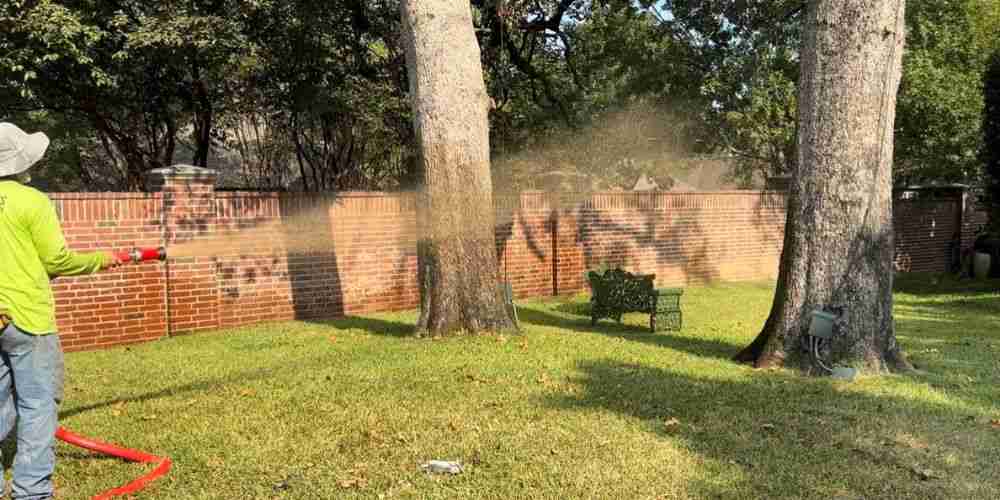
For trees that can still be saved, our experts provide custom plant health care programs. These treatments are designed to strengthen trees from the inside out, helping them recover from disease and resist pests naturally.
And if a tree has already begun to weaken or decay, we offer professional tree treatment services to stop the damage from spreading and ensure the safety of your property.
The Real Cost of Ignoring the Problem
It’s tempting to ignore a tree that looks slightly off — until a branch crashes through your roof, your car windshield, or worse. The cost of emergency removal, repairs, and possible liability is often far more than a routine inspection or preventive care visit.
Plus, healthy trees add value to your property. They provide shade, beauty, and curb appeal. Unhealthy trees, on the other hand, can become a source of stress and unexpected bills.
Regular maintenance and treatment are not just about aesthetics — they’re a long-term investment in your home and your safety.
Signs You Should Call an Arborist
If you’re unsure whether your tree needs help, here are some warning signs that it’s time to call a pro:
- Branches that are dry, brittle, or falling off
- Mushrooms or mold on the bark
- Cracks in the trunk or large limbs
- Leaning or unstable root base
- Bark coming off in strips
- Sparse or yellowing leaves
Don’t wait for something to fall before you act. Trees often give us warning signs long before disaster strikes.
Final Thoughts
Trees are living things. Like any living thing, they can get sick — and when they do, ignoring them can lead to much bigger issues down the road. Whether it’s protecting your home, preventing the spread of disease, or simply making your property safer, taking care of your trees is something worth doing right.
At Artmire’s Urban Forestry & Tree Services, we’re proud to serve Tyler and the wider East Texas area with trusted, professional care. From trimming and removal to plant health care and long-term tree treatment services, we’re here to help you get ahead of the problem before it grows.
Don’t wait until it’s too late. Get your trees checked today — and breathe easier tomorrow.
